Skip to content
The Challenge of Modern Machining
Today’s manufacturing environment demands more than ever before. With tighter tolerances, harder workpiece materials, and relentless pressure to reduce cycle times, machinists are constantly searching for tools that can keep up. Conventional cutting strategies often fall short — tool wear accelerates, chip evacuation becomes a bottleneck, and vibration degrades surface quality.
At GCT, we engineered a solution from the ground up: a carbide end mill purpose-built for high-efficiency trochoidal milling, delivering exceptional metal removal rates without sacrificing tool life.
What Is Trochoidal Milling?
Trochoidal milling (also known as dynamic milling) is an advanced cutting strategy where the tool follows a circular arc path through the material, using a small radial depth of cut (typically 5–15% of tool diameter) combined with the full axial depth. This approach:
• Keeps cutting forces consistently low
• Maintains a stable chip load throughout the cut
• Reduces heat buildup in both the tool and workpiece
• Dramatically increases material removal rate (MRR)
While trochoidal milling is powerful in theory, its full potential is only unlocked when paired with the right cutting tool. That’s exactly where GCT’s dedicated end mill steps in.
Introducing GCT’s Trochoidal Milling End Mill
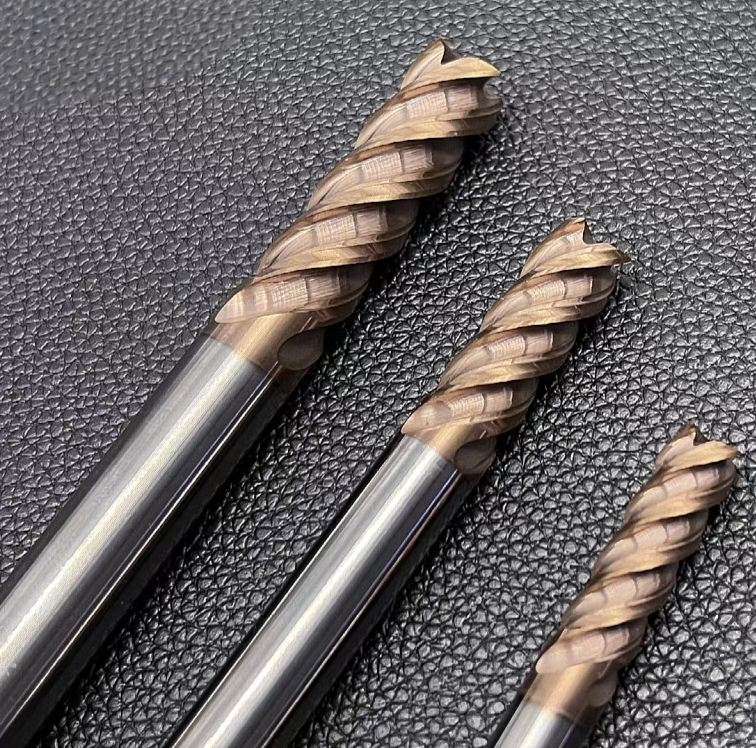
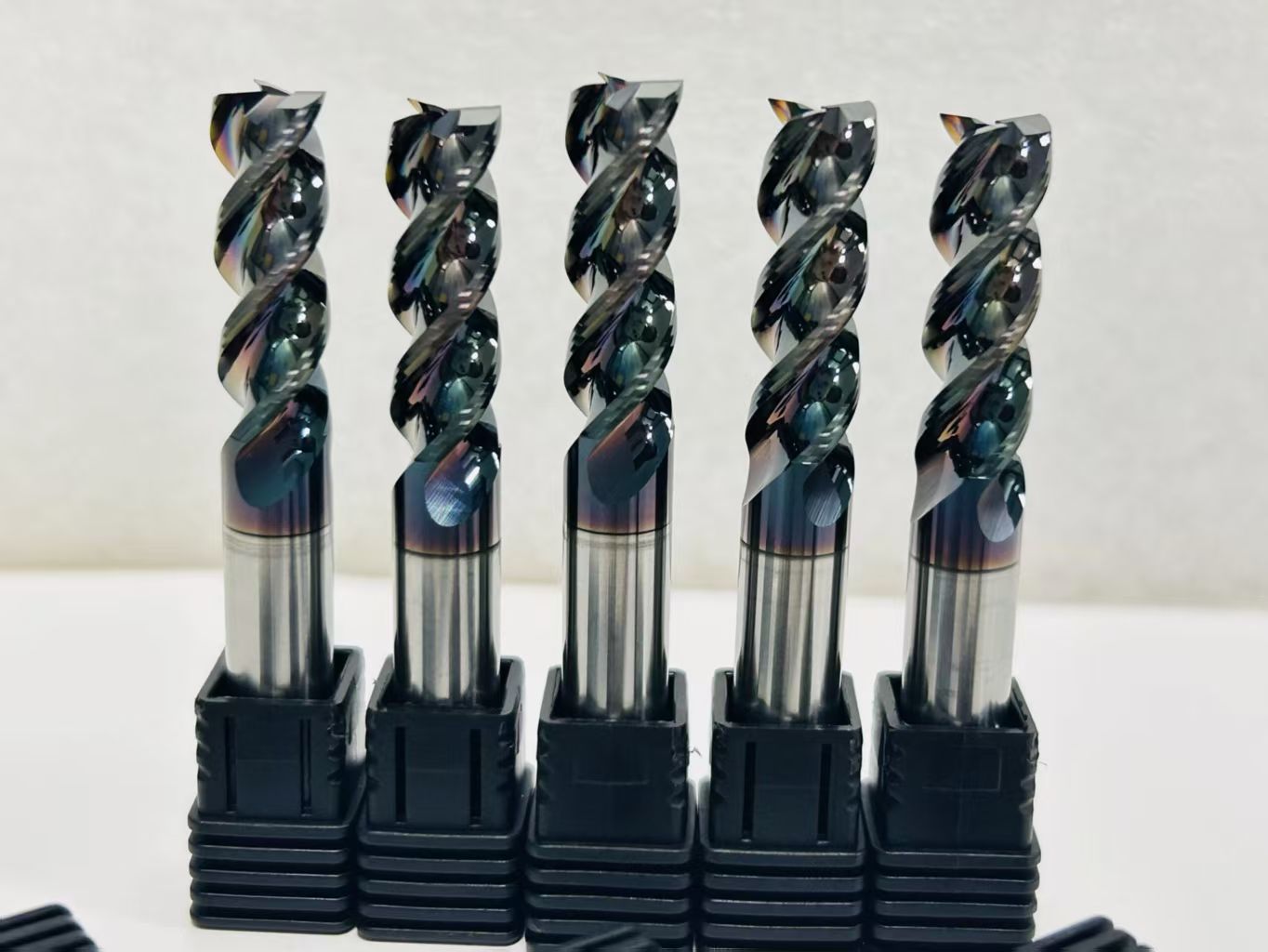
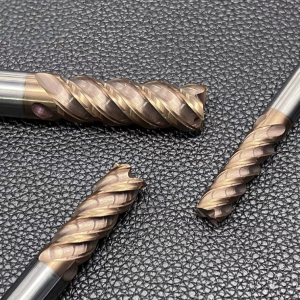
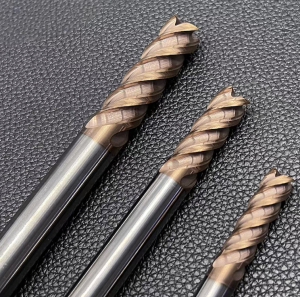
Developed to meet the growing complexity of high-performance metal cutting applications, GCT’s trochoidal milling end mill combines three core engineering advantages into one tool — unequal helix geometry, ultra-fine grain substrate, and a large U-shaped flute profile.
Key Features
1. Unequal Helix Angle Design — Vibration Suppression at Its Core
One of the most common challenges in high-speed milling is chatter. When tool flutes are equally spaced and carry identical helix angles, harmonic resonance can build up rapidly, causing chatter, poor surface finish, and premature tool failure.
GCT’s end mill features an unequal helix angle design, where each flute carries a slightly different helix angle. This asymmetric geometry:
• Disrupts the periodic cutting force pattern
• Breaks up resonance frequencies that cause vibration
• Delivers a smoother, more stable cutting experience — even at aggressive feeds and speeds
• Enables consistent surface quality in deep-axial trochoidal passes
The result is less noise, less vibration, and a noticeably better surface finish without reducing cutting parameters.
2. Ultra-Fine Grain Substrate (0.4 μm Grain Size) — Superior Hardness Meets Toughness
The foundation of any carbide tool is its substrate. GCT’s trochoidal end mill is manufactured from an ultra-fine grain tungsten carbide substrate with a grain size of just 0.4 μm.
Why does grain size matter? In carbide tools:
• Smaller grains = higher hardness and wear resistance — the tool holds its edge longer, especially when cutting hardened steels, stainless, titanium, and other difficult materials
• Smaller grains = better toughness at the cutting edge — micro-chipping and edge breakdown are significantly reduced
• Finer grain = sharper, more precise edge geometry — critical for maintaining dimensional accuracy during extended cutting cycles
At 0.4 μm, this substrate sits in the ultra-fine category, giving GCT’s trochoidal end mill exceptional longevity even under the sustained thermal and mechanical loads characteristic of high-MRR operations.
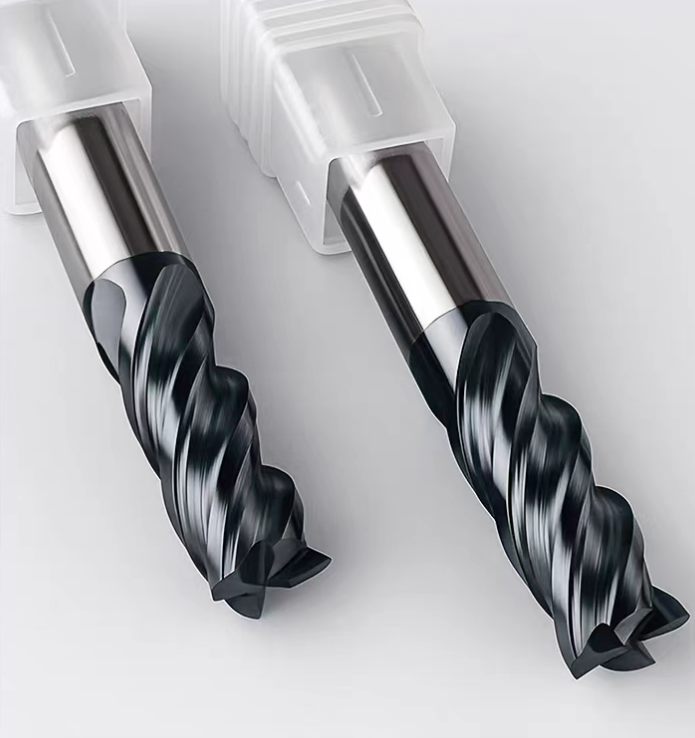
3. Large U-Shaped Flute — Effortless Chip Evacuation
In trochoidal milling, large volumes of chips are generated in a short time. If those chips are not efficiently cleared from the cutting zone, they re-enter the cut, scratch the workpiece surface, generate heat, and accelerate tool wear.
GCT’s end mill incorporates a large U-shaped chip evacuation flute, which provides:
• A generous flute volume to accommodate high chip loads
• Smooth flute geometry that guides chips away from the cutting zone quickly and cleanly
• Reduced chip re-cutting, even at elevated feed rates
• Better coolant flow into the cutting area when used with through-coolant or flood systems
The U-shaped profile strikes the ideal balance between core strength and chip clearance capacity — the tool remains rigid enough to handle aggressive axial depths while still evacuating chips efficiently.
Who Is This Tool For?
GCT’s trochoidal milling end mill is ideal for:
• Aerospace and automotive component manufacturers requiring high MRR on aluminum alloys, titanium, and stainless steel
• Die and mold shops pushing for faster roughing cycles in hardened tool steel
• Job shops looking to maximize spindle utilization by combining deep axial cuts with high feed rates
• Any application where shorter cycle times and longer tool life need to coexist
Performance You Can Rely On
The combination of unequal helix geometry, 0.4 μm ultra-fine grain substrate, and large U-shaped flutes isn’t a collection of independent features — it’s a system engineered to work together. The substrate keeps the edge sharp. The helix design keeps the cut stable. The flute clears chips before they become a problem.
The outcome: a trochoidal milling end mill that consistently delivers high material removal rates, extended tool life, and excellent surface quality, even in the most demanding cutting conditions.
Learn More
Ready to take your trochoidal milling performance to the next level?
Visit www.gcarbidetools.com to explore GCT’s full range of high-performance carbide end mills, request technical specifications, or get in touch with our application engineering team. We’re here to help you find the right tool for your most challenging applications.